
Key Takeaways
- Myopia, or nearsightedness, often starts in childhood and can continue to progress as the eyes grow.
- Myopia control glasses correct distance blur through the centre of the lens while the outer zones send a signal to help slow eye growth.
- Essilor® Stellest® lenses are the main myopia control lens option offered at Russell West Optometry.
- MiSight® 1 day contact lenses and low-dose atropine drops are other options available.
- Starting earlier, while the eyes are still growing, gives your child more room to benefit.
You pick up new glasses in September, and by spring your child is squinting at the whiteboard again. Each visit to Russell West Optometry brings a stronger prescription, and you start to wonder where it ends.
Myopia control glasses are lenses with a clear centre that corrects distance vision plus outer treatment zones that send a signal to help slow how quickly the eye grows, which can help slow how fast myopia progresses. Regular single-vision glasses only correct the blur. They don’t do anything about the change happening behind it.
Myopia in Kids and Why It Progresses
Myopia means distance vision looks blurry while close-up things typically stay clear. Your child can read a book on the couch without trouble but can’t make out a street sign or a scoreboard.
It often begins in childhood and shifts as the eyes grow. Genetics play a part, as do more screen time and less time outdoors.
Signs to Watch for at Home
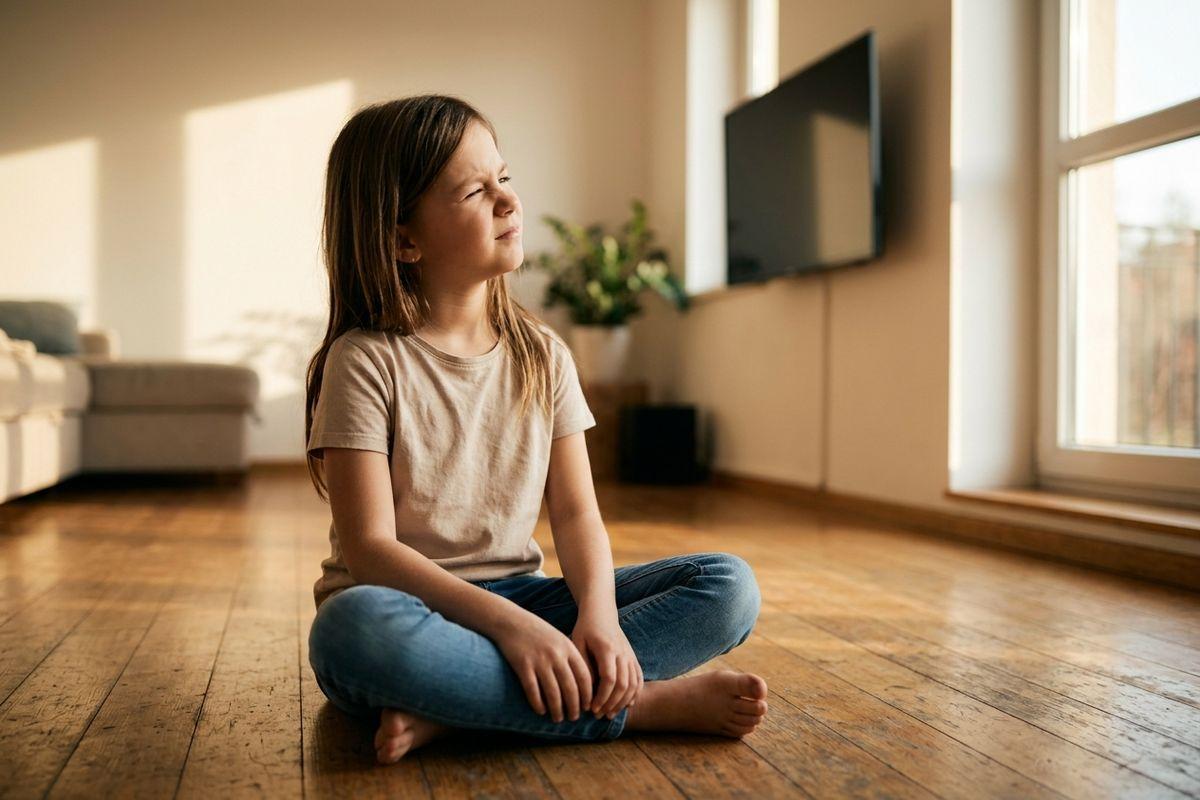
Kids rarely say “my distance vision is blurry.” They adapt instead, and the clues show up in their habits:
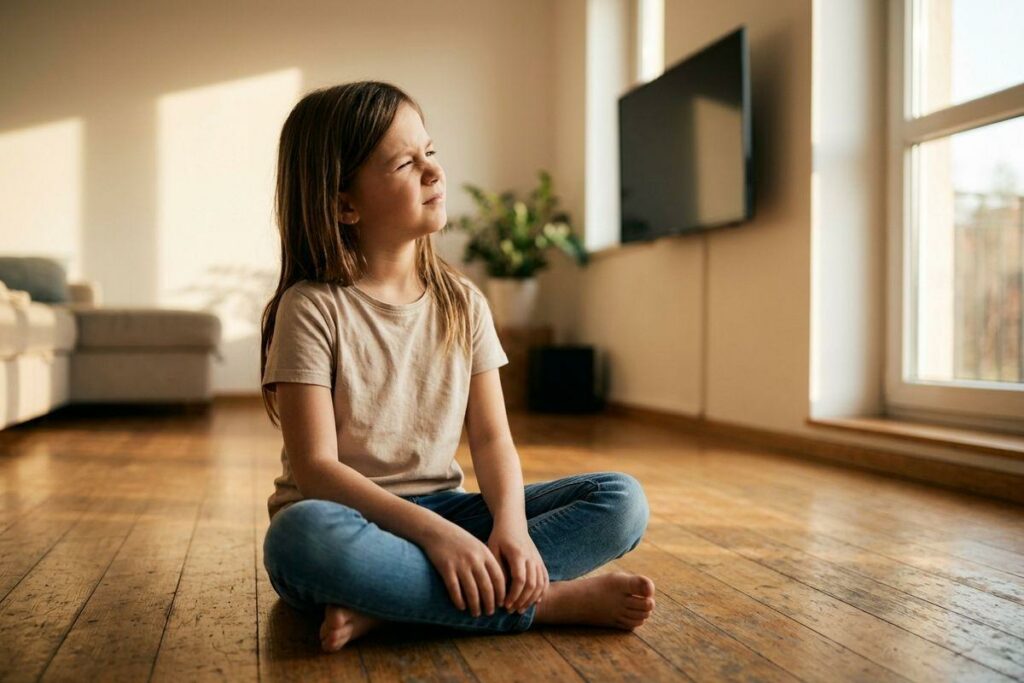
- Squinting or tilting the head to see something far away
- Sitting very close to screens or asking to move nearer the board
- Rubbing the eyes often
- Holding books close to the face
Why Slower Progression Matters
A slower rate of change can mean lower prescriptions over the years. It can also mean a reduced risk of certain eye problems later in life, which is why the eye doctor looks at more than just this year’s numbers.
Essilor® Stellest® Lenses
Stellest® is the main myopia control lens option we offer. The lens has a clear centre for distance vision, surrounded by concentric treatment rings.
These glasses can help more when they’re worn full-time during waking hours. Think of them as part of the morning routine, on before breakfast and off at bedtime, the same way your child grabs a backpack on the way out the door.
What Kids Notice with Stellest® Lenses
Distance vision stays clear for the classroom, the hockey rink, and the soccer field. Many kids go through a short adjustment period at the start, which is normal.
Some notice mild blur in their side vision or faint halos around lights early on. Letting your child know ahead of time makes those first few days much easier.
Frame Choices Kids Actually Wear
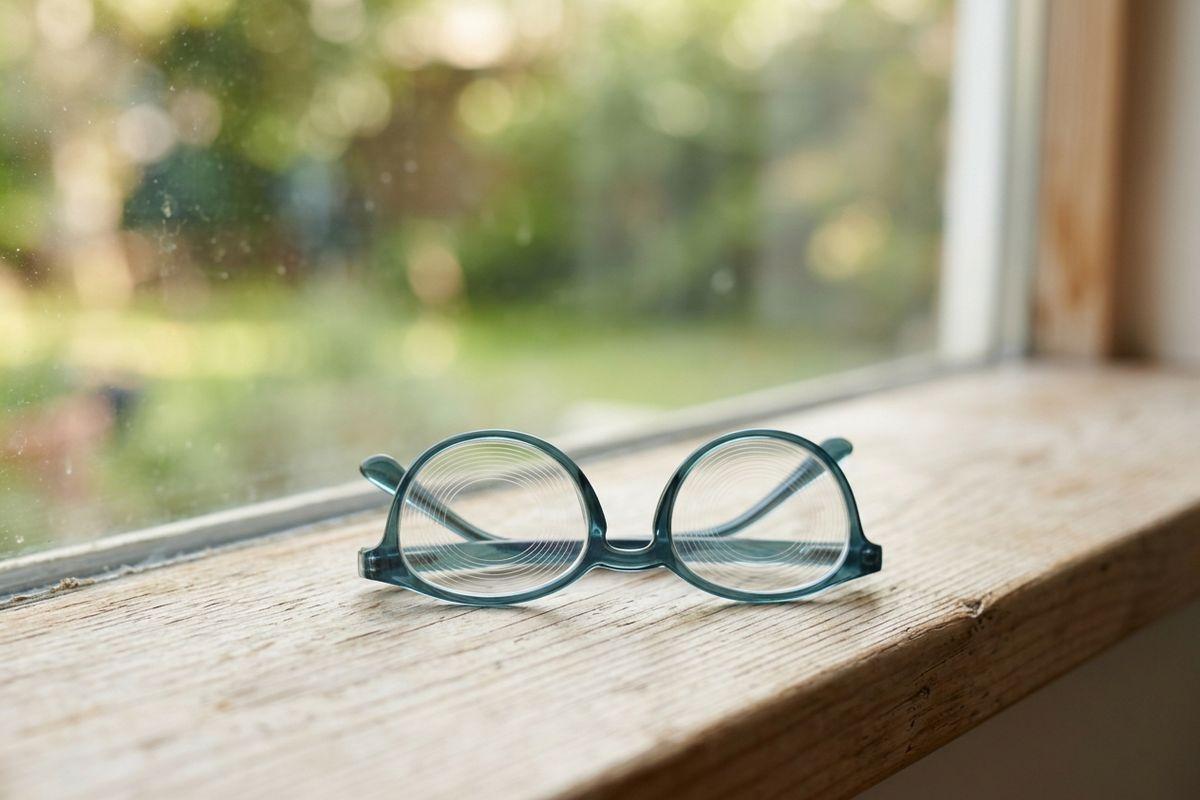
A lens can only help if the glasses stay on your child’s face. Comfortable, well-fitted, durable frames matter as much as the prescription inside them.
Let your child help pick the style. A kid who likes how they look in their glasses is a kid who reaches for them every morning.
Other Myopia Control Options Offered
Glasses aren’t the only route. During the exam, your eye doctor can talk through which approach suits your child’s age, prescription, and daily routine.
MiSight® 1 day Contact Lenses
These are daily disposable contact lenses with a dual-focus design. They can be a good fit for active kids who’d rather not have frames sliding down their nose mid-game.
Low-Dose Atropine Eye Drops
Low-dose atropine is a nightly eye drop prescribed by the optometrist. It’s often combined with glasses or contact lenses as part of a broader plan.
When to Start and What to Expect at an Eye Exam
Starting earlier helps, while the eyes are still growing. That’s the window where slowing progression can make a real difference over time.
At the appointment, measurements track both the prescription and eye growth, so there’s a clear record of what’s changing and how quickly. Follow-up visits help your eye doctor adjust the plan based on those numbers rather than guesswork.
Take Care of Their Vision
If your child’s prescription keeps climbing, book a children’s eye exam with Russell West Optometry in downtown Lindsay. Our team can walk you and your child through your options, then build a plan that fits your family’s routine.